

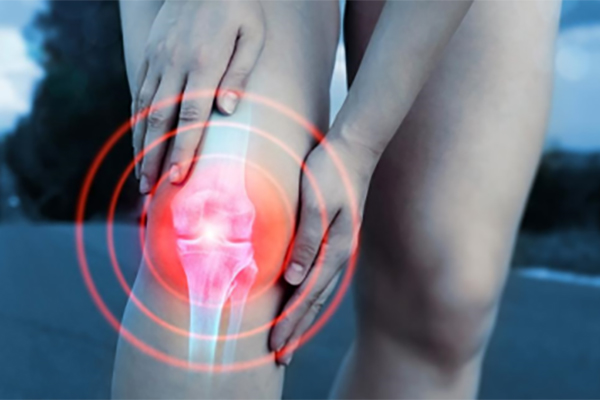
For decades, a torn ACL meant one path forward: remove the damaged ligament and replace it with a tendon graft, followed by months of rehabilitation. That standard is no longer the only option. A newer technique called BEAR ACL repair is designed to help the body heal its own native ligament instead of replacing it entirely, and recent long-term data is giving orthopedic surgeons a compelling new reason to discuss it with patients.
What Makes BEAR Different From Traditional ACL Surgery
BEAR stands for Bridge-Enhanced ACL Restoration. Instead of harvesting tissue from elsewhere in the body to build a new ligament, the procedure places a collagen-based implant between the torn ends of the existing ACL. The implant is combined with a small amount of the patient's own blood, creating an environment that supports the ligament's natural healing process. Over time, the implant is absorbed by the body as the native tissue repairs itself.
Because there is no graft to harvest, BEAR is generally considered a less invasive procedure than traditional reconstruction. Patients avoid the additional incision and tissue disruption required to remove a hamstring or patellar tendon graft, which for many translates into less post-surgical pain and a simpler recovery in the early weeks.
Why Restoring the Native ACL Matters
The ACL is not simply a rope-like structure holding the knee together. It contains sensory fibers and anatomical attachments that help the brain understand where the knee is in space, a function known as proprioception. This is central to normal knee biomechanics and coordinated movement.
By preserving and healing the ligament rather than substituting it, BEAR aims to restore the knee's original anatomy and its natural mechanics more closely than a graft-based reconstruction can. This joint-preservation philosophy, prioritizing native structures whenever the injury allows for it, is increasingly shaping how orthopedic surgeons approach ACL treatment.
How the Procedure Is Performed
BEAR is performed arthroscopically through small incisions. The surgeon brings the torn ends of the ACL together and secures the BEAR implant in place, using the patient's own blood to support tissue regeneration. Because there is no separate graft-harvesting step, the overall surgical footprint is smaller than traditional reconstruction, another factor contributing to its less invasive profile.
Who Is a Candidate for BEAR
BEAR is not the right fit for every ACL tear. Current FDA labeling allows use in adults, adolescents, and children with a complete or partial ACL rupture confirmed by MRI, provided the ACL stump remains attached to the tibia. Additional anatomical considerations apply for children with open growth plates.
A thorough orthopedic evaluation looks at the location and pattern of the tear, the condition of the remaining ligament tissue, any associated meniscus or cartilage injuries, the patient's activity level and goals, and overall knee stability. An MRI alone doesn't determine candidacy. The full clinical picture guides the decision.
Return to Sport and Long-Term Knee Health
One of the most encouraging aspects of BEAR is what it means for patients who want to get back in the game. Clinical research has shown that patients undergoing BEAR achieve patient-reported outcomes and knee stability comparable to those undergoing traditional ACL reconstruction, with the BEAR group demonstrating greater hamstring strength at two years.1 2 Patients are able to return to sports at all levels of competition, following a rehabilitation timeline similar to that of conventional reconstruction.
Beyond short-term recovery, longer-term data has raised an important point about the future health of the knee. In an FDA label update based on six-year pooled data from the BEAR clinical studies, ACL restoration with the BEAR implant was shown to reduce the risk of developing post-traumatic knee osteoarthritis compared to ACL reconstruction using a hamstring tendon autograft, with study data pointing to roughly a six-fold lower rate of osteoarthritis in the BEAR group.3 4 Since post-traumatic arthritis can affect a significant share of patients years after a standard ACL reconstruction, this long-term protective effect is becoming a central part of the conversation between surgeons and patients, not just a footnote to short-term recovery.
Frequently Asked Questions
- Is BEAR ACL repair less painful than traditional ACL reconstruction?
Many patients experience less pain with BEAR because the procedure avoids harvesting a tendon graft from another part of the body, which eliminates a common source of post-surgical discomfort in traditional reconstruction. - Can athletes return to sports after BEAR ACL repair?
Yes. Clinical data shows patients treated with BEAR return to sports at all levels of competition, with recovery and return-to-play timelines generally comparable to traditional ACL reconstruction. - Does BEAR really lower the risk of arthritis after an ACL tear?
Long-term study data supporting an FDA label update found roughly a six-fold lower rate of post-traumatic knee osteoarthritis at six years in patients treated with BEAR compared to those who underwent ACL reconstruction with a hamstring tendon autograft. - Who is not a good candidate for BEAR ACL repair?
Patients need enough remaining ACL tissue, with the stump still attached to the tibia, for the repair to be viable. An orthopedic surgeon evaluates tear pattern, tissue quality, associated injuries, and individual anatomy to determine candidacy. - How long is recovery after BEAR ACL repair?
Recovery timelines are generally similar to traditional ACL reconstruction, with structured physical therapy and a gradual return to full activity and sport over several months.
Considering Your Options
ACL treatment decisions carry consequences that extend well beyond a single season. Understanding how BEAR compares to traditional reconstruction, both in terms of the surgical experience and long-term knee health, is worth discussing with an orthopedic specialist who can evaluate whether it's an appropriate option for your specific injury.
Reference Links:
- Earlier Resolution of Symptoms and Return of Function After Bridge-Enhanced Anterior Cruciate Ligament Repair As Compared With Anterior Cruciate Ligament Reconstruction - Sage Journals
- Earlier Resolution of Symptoms and Return of Function After Bridge-Enhanced Anterior Cruciate Ligament Repair As Compared With Anterior Cruciate Ligament Reconstruction - PubMed
- BEAR® Implant or ACL Reconstruction: Why Long-Term Knee Health Matters - BEAR Implant
- FDA Approves Updated Label for Miach Orthopaedics’ BEAR® Implant to Include Significantly Lower Risk of Osteoarthritis - OrthoSpine News
AUTHOR: Kai Mithoefer, MD – Orthopedic Surgeon & Sports Medicine Specialist
Kai Mithoefer, MD is a board-certified orthopedic surgeon with dual certification in orthopedic surgery and orthopedic sports medicine. He is an internationally recognized specialist in sports medicine, joint preservation, and regenerative orthopedics with more than 15 years of clinical experience. Dr. Mithoefer is dedicated to helping athletes and active individuals return safely and efficiently to sports and work through advanced, patient-centered musculoskeletal care.
Credentials & Training
After completing medical school in Germany, Dr. Mithoefer trained in the Harvard Orthopedic Residency Program. He went on to complete a fellowship in Orthopedic Trauma at Harvard, followed by the prestigious Sports Medicine and Shoulder Surgery fellowship at the Hospital for Special Surgery in New York.
Dr. Mithoefer has been recognized as a Top Doctor by Castle Connolly and Boston Magazine every year since 2019 and continues this distinction through 2026. He has published more than 100 scientific articles and book chapters and is a frequent invited speaker at national and international orthopedic conferences.
Clinical Expertise
Dr. Mithoefer specializes in minimally invasive surgical techniques, joint preservation strategies, and regenerative orthopedic treatments designed to accelerate recovery and restore function. His expertise includes state-of-the-art biologic therapies and comprehensive musculoskeletal care tailored to each patient’s specific needs. Drawing from his own experience as a competitive and recreational athlete, he understands the demands of sports participation and prioritizes safe, efficient return to activity.
Medical Disclaimer: This information is for educational purposes only and does not constitute medical advice. For diagnosis and treatment recommendations, please consult with Dr. Kai Mithoefer or another qualified orthopedic specialist.