



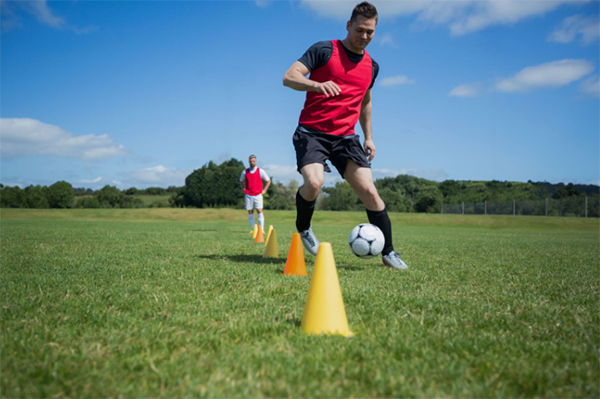
For athletes and weekend warriors, a focal cartilage defect in the knee often feels like a permanent roadblock to high-impact activities. However, a biological breakthrough is changing the landscape of sports medicine by restoring the knee’s natural architecture. Learn how this innovative approach is helping active individuals return to confident motion with long-term joint preservation in mind.
The Biological Advantage: Regenerating Hyaline-Like Cartilage with MACI
The primary struggle with traditional cartilage repair, such as microfracture surgery, is the type of tissue it produces. Microfracture often creates fibrocartilage, which is essentially scar tissue that is tougher and less flexible than the original surface. In contrast, the MACI procedure (Matrix-induced Autologous Chondrocyte Implantation) is designed to regenerate hyaline-like cartilage, the smooth, slippery tissue you were born with. This biological match is crucial for absorbing shock and providing a frictionless surface, ensuring the knee can handle the stresses of running, jumping, and pivoting.
How the MACI Procedure Works: A Two-Stage Innovation
Redefining cartilage repair requires a personalized, lab-grown approach. The process is divided into two distinct phases to ensure the highest quality of repair tissue:
The Biopsy: During a minimally invasive arthroscopic knee surgery, a small sample of healthy cartilage is harvested from a non-weight-bearing area of your joint. This sample is sent to a specialized laboratory where your own cartilage cells (chondrocytes) are expanded into millions and seeded onto a bioactive collagen membrane.
The Implantation: Once the "implant" is ready, the surgeon places the cell-rich membrane into the defect. Over time, these cells integrate into the bone and mature into a durable, functional joint surface.
Why Active Patients Are Choosing MACI over Traditional Methods
For the active patient, the goal isn't just to walk, but to return to the sports they love. MACI offers several key advantages over older techniques:
- Customization: The implant is trimmed to the exact size and shape of your specific defect, ensuring a seamless fit.
- Durability: Because it utilizes your own cells, there is no risk of rejection, and the resulting tissue is built to last for years of high-level use.
- Predictability: Clinical studies have shown significant long-term improvements in pain and function compared to older "repair" methods.1
The Road Back to Performance
While the initial weeks involve protected weight-bearing to allow the cells to adhere, the long-term payoff is a "new" joint surface that mimics your native anatomy. Most patients begin low-impact activities like cycling within a few months, with a gradual return to high-impact sports between 9 and 12 months as the cartilage matures. This structured timeline is the key to preserving the joint and avoiding the early onset of osteoarthritis.
Personalized Consultation for Knee Preservation
If you are experiencing localized knee pain, catching, or swelling that hasn't responded to conservative treatments, articular cartilage restoration options like MACI may be the right path forward. Every knee is different, and an expert evaluation can determine if your injury is a candidate for this advanced biological restoration.
To learn more about how MACI can help you return to your active lifestyle, book an appointment for a comprehensive evaluation.
AUTHOR: Kai Mithoefer, MD is board-certified in both Orthopedic Surgery and Orthopedic sports medicine specialist. Dr. Mithoefer is an internationally recognized specialist for complex shoulder and knee injuries with over 15 years of experience in the treatment of sports-related injuries. Dr. Mithoefer practices at Boston Bone and Joint Institute and has published more than 100 scientific articles and book chapters, and is a frequent speaker at national and international orthopedic meetings.