

For patients with painful cartilage damage in the knee, Matrix-Induced Autologous Chondrocyte Implantation (MACI) offers something many treatments cannot: the potential to restore damaged cartilage rather than simply manage symptoms. Yet the surgery itself is only one piece of the process. The newly implanted cartilage cells need time, protection, and the right mechanical environment to mature into durable tissue. Understanding the rehabilitation journey is just as important as understanding the procedure itself.
What Makes MACI Different From Other Cartilage Procedures?
MACI is an advanced cartilage restoration technique designed to treat focal cartilage defects in the knee. The procedure uses a patient's own cartilage cells, which are harvested, expanded in a laboratory, and then implanted on a specialized collagen membrane that is secured within the damaged area.
Unlike procedures that remove damaged cartilage or stimulate scar tissue formation, MACI aims to regenerate cartilage that more closely resembles native articular cartilage. This makes it particularly valuable for active individuals seeking long-term joint preservation.
However, cartilage healing differs significantly from healing after ligament reconstruction or fracture repair. Cartilage has limited blood supply, which means recovery depends heavily on carefully controlled rehabilitation.
Why Early Protection Is Critical After MACI
One of the biggest misconceptions about MACI is that once the surgery is complete, the knee simply needs time to heal. In reality, the earliest weeks are among the most important phases of the entire process.
The implanted cartilage cells must attach securely and begin producing new cartilage matrix. Excessive loading during this stage can disrupt the healing environment and compromise the repair.
This is why many rehabilitation protocols include restrictions on weight-bearing and the use of crutches during the initial recovery period. Patients are often encouraged to move the knee within carefully prescribed ranges while avoiding activities that place significant pressure on the healing area.
Protecting the repair site is not a setback. It is an essential part of creating the conditions necessary for long-term success.
The Role of Physical Therapy in Cartilage Restoration Recovery
Physical therapy serves as the bridge between surgery and full function. The goal is not simply to strengthen the knee but to guide the biological maturation of the repair tissue.
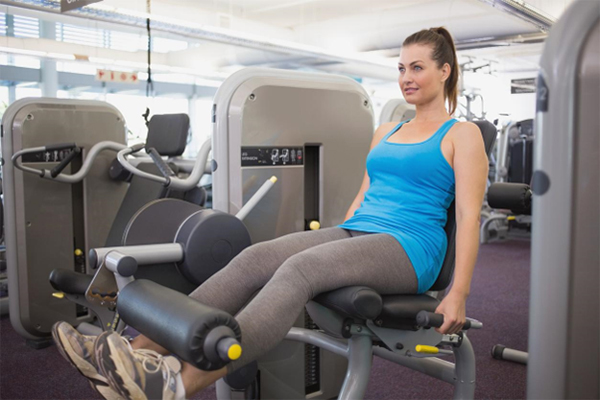
Early rehabilitation focuses on restoring range of motion, controlling swelling, and maintaining muscle activation without overloading the cartilage implant. As healing progresses, therapy gradually introduces strengthening exercises, balance training, and movement retraining.
For athletes and highly active individuals, sports medicine specialists often work closely with physical therapists to ensure that return-to-sport milestones are achieved safely. The process requires patience because cartilage continues to mature long after symptoms improve.
Why Returning Too Quickly Can Threaten Results
Patients often feel significantly better before the cartilage repair is fully mature. Pain decreases, swelling improves, and normal daily activities become easier. While these are positive signs, they do not necessarily mean the cartilage is ready for high-impact demands.
Running, jumping, pivoting, and cutting place substantial forces across the joint surface. Returning to these activities prematurely can overload the developing cartilage before it has reached sufficient strength.
Joint preservation specialists frequently emphasize that successful outcomes depend on respecting biological timelines rather than chasing arbitrary dates on a calendar. Recovery milestones are typically based on strength, function, imaging findings, and clinical evaluation rather than simply the number of months since surgery.
A Long-Term Investment in Knee Preservation
MACI is often performed as part of a broader joint preservation strategy. Many patients undergoing cartilage restoration are trying to remain active while delaying or avoiding future joint replacement.
The rehabilitation process supports that goal by helping protect the repaired cartilage, improve joint mechanics, and reduce abnormal stress throughout the knee. When combined with appropriate activity modification, strength training, and ongoing monitoring, rehabilitation becomes a critical component of preserving the native joint for years to come.
For patients committed to the process, recovery is not simply about healing from surgery. It is about building the foundation for long-term knee health.
Frequently Asked Questions
- How long does recovery take after MACI surgery?
Recovery timelines vary, but most patients require several months of structured rehabilitation. Full maturation of the cartilage repair can continue for 12 to 18 months after surgery. - When can I walk normally after MACI?
Many patients begin with protected weight-bearing and gradually progress according to their surgeon's protocol. The timeline depends on the size and location of the cartilage defect. - Can I return to sports after MACI?
Many patients successfully return to sports, but the timing depends on healing, strength, and functional testing. High-impact activities are typically reintroduced gradually under professional guidance. - Why is physical therapy so important after MACI?
Physical therapy helps protect the repair, restore movement, rebuild strength, and ensure the developing cartilage is exposed to appropriate levels of stress during healing. - Is MACI better than knee replacement for cartilage damage?
MACI and knee replacement treat different problems. MACI is generally intended for focal cartilage defects in patients seeking to preserve their native joint, while knee replacement is typically used for advanced arthritis affecting larger portions of the joint.
Cartilage restoration is one of the most exciting developments in modern joint preservation, but successful outcomes depend on more than the procedure itself. If you are considering MACI or want to understand whether cartilage restoration may be appropriate for your knee condition, consulting with a specialist experienced in joint preservation and sports medicine can help clarify your options and recovery expectations.
Reference Links:
AUTHOR: Kai Mithoefer, MD – Orthopedic Surgeon & Sports Medicine Specialist
Kai Mithoefer, MD is a board-certified orthopedic surgeon with dual certification in orthopedic surgery and orthopedic sports medicine. He is an internationally recognized specialist in sports medicine, joint preservation, and regenerative orthopedics with more than 15 years of clinical experience. Dr. Mithoefer is dedicated to helping athletes and active individuals return safely and efficiently to sports and work through advanced, patient-centered musculoskeletal care.
Credentials & Training
After completing medical school in Germany, Dr. Mithoefer trained in the Harvard Orthopedic Residency Program. He went on to complete a fellowship in Orthopedic Trauma at Harvard, followed by the prestigious Sports Medicine and Shoulder Surgery fellowship at the Hospital for Special Surgery in New York.
Dr. Mithoefer has been recognized as a Top Doctor by Castle Connolly and Boston Magazine every year since 2019 and continues this distinction through 2026. He has published more than 100 scientific articles and book chapters and is a frequent invited speaker at national and international orthopedic conferences.
Clinical Expertise
Dr. Mithoefer specializes in minimally invasive surgical techniques, joint preservation strategies, and regenerative orthopedic treatments designed to accelerate recovery and restore function. His expertise includes state-of-the-art biologic therapies and comprehensive musculoskeletal care tailored to each patient’s specific needs. Drawing from his own experience as a competitive and recreational athlete, he understands the demands of sports participation and prioritizes safe, efficient return to activity.
Medical Disclaimer: This information is for educational purposes only and does not constitute medical advice. For diagnosis and treatment recommendations, please consult with Dr. Kai Mithoefer or another qualified orthopedic specialist.